JOIN THE WALL OF VISIONARIES
The Wall of Visionaries is a distinguished recognition and living network within the AngioInstitute, honoring leaders, innovators, advocates, and collaborators who exemplify integrity, foresight, and commitment to advancing public health education and awareness. More than a visual tribute, the Wall of Visionaries represents a community of minds united by shared purpose. Its members are recognized not only for professional achievement, but for their willingness to contribute insight, leadership, and collaboration toward meaningful progress in health education, prevention, research, and innovation. These individuals understand that lasting impact is built through cooperation across disciplines, technologies, and perspectives.
Induction on the Wall of Visionaries reflects honorable merit, active participation, and alignment with the AngioInstitute’s global educational mission. Those recognized are celebrated for helping elevate conversations, expand access to knowledge, and support the evolution of forward-thinking health solutions that serve diverse and underserved populations.
ENDORSING LEADERSHIP
Beyond recognition, AngioInstitute actively endorses leadership by creating meaningful pathways for leaders to be seen, heard, and connected. We encourage collaboration by introducing Visionaries to aligned partners across clinical care, research, education, advocacy, and technology—transforming individual excellence into collective impact. Through publishing, media features, and public programming, AngioInstitute amplifies the expertise, findings, and lived experience of those advancing health education and awareness, ensuring their work reaches both professional audiences and engaged learners.
Endorsing leadership also means creating platforms for dialogue—where innovators can exchange ideas, challenge assumptions, and shape responsible innovation together. By connecting leaders across disciplines and elevating their voices in credible public forums, AngioInstitute helps move promising insights into shared knowledge. This approach honors leadership not as status, but as service—supporting those who inspire progress through integrity, collaboration, and a commitment to advancing health solutions that serve diverse and underserved communities.

The AngioInstitute serves as a convener, catalyst, and trusted platform for partnerships that advance public education, clinical advocacy, and innovation in health care. We believe meaningful progress is achieved when educators, researchers, clinicians, technologists, and public advocates work together—sharing insight, experience, and vision to address complex health challenges.
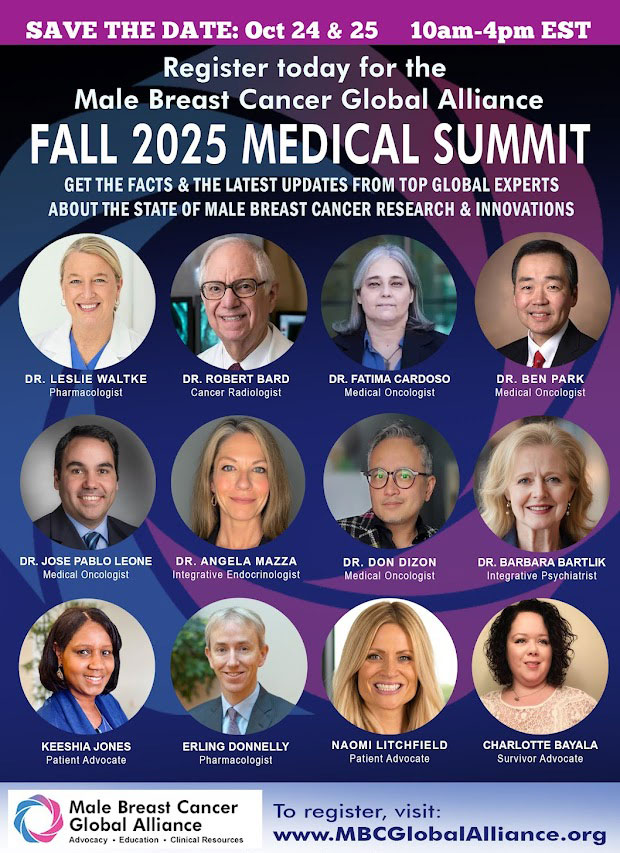 |
Our partnerships are built on the principle that no single discipline or institution can solve today’s public health needs alone. By uniting diverse leaders across science, medicine, education, and community advocacy, the AngioInstitute fosters collaborative ecosystems that accelerate knowledge exchange, validate emerging solutions, and expand access to forward-thinking care. Through strategic alliances, co-publishing initiatives, educational programs, research collaborations, and global outreach efforts, we help bridge the gap between innovation and implementation. Our role is to amplify credible voices, support cross-disciplinary dialogue, and create pathways for ideas and technologies to reach the populations that need them most.
The AngioInstitute welcomes partnerships grounded in integrity, shared purpose, and a commitment to public benefit. Together, we work to elevate awareness, strengthen education, and shape a more informed, collaborative, and equitable future for health.
 |
1. CLINICAL PARTNERSHIPS– Co-Referral Networks
A cornerstone of effective private practice is the strength of its referral relationships. Through our clinical partnerships, The AngioInstitute supports the development of trusted co-referral networks that connect physicians and allied health professionals in a coordinated continuum of care. These partnerships emphasize:
• Mutual confidence and clinical alignment among referring providers
• Timely, appropriate patient routing to ensure early detection and optimal outcomes
• Ethical, patient-first referral practices grounded in shared standards of excellence
• Selective and trusted referral pathways that reinforce the credibility and reputation of participating practices
By fostering exclusive and purpose-driven referral relationships help strengthen private practices while advancing a unified model of care—one in which collaboration is not transactional, but strategic, ensuring that every patient benefits from the right expertise at the right moment in their care journey.
 2. RESEARCH & VALIDATION PARTNERSHIPS 2. RESEARCH & VALIDATION PARTNERSHIPS
Who: Universities, labs, independent researchers, foundations
Purpose:
• Validate emerging therapies and technologies
• Support image-guided treatment evaluation
• Publish findings that elevate standards of care
Value: Positions The AngioInstitute as a bridge between innovation and evidence-based adoption.
 3. TECHNOLOGY & INNOVATION PARTNERSHIPS 3. TECHNOLOGY & INNOVATION PARTNERSHIPS
Who: Medical device manufacturers, imaging tech developers, diagnostic platforms
Purpose:
• Field-test technologies in real-world clinical settings
• Support responsible adoption pathways
• Improve design through practitioner feedback
Value: Ensures innovation is clinically relevant, ethically positioned, and outcome-driven.
 4. EDUCATION & PROFESSIONAL DEVELOPMENT PARTNERSHIPS 4. EDUCATION & PROFESSIONAL DEVELOPMENT PARTNERSHIPS
Who: CME providers, training institutions, professional societies
Purpose:
• Train clinicians in advanced imaging interpretation
• Expand diagnostic literacy
• Promote early detection frameworks
Value: Transforms knowledge into a force multiplier across healthcare systems.
 5. ADVOCACY & PUBLIC HEALTH PARTNERSHIPS 5. ADVOCACY & PUBLIC HEALTH PARTNERSHIPS
Who: Nonprofits, patient advocacy groups, global alliances
Purpose:
• Address health inequities
• Raise awareness of overlooked diseases
• Support screening access and prevention campaigns
Value: Extends the impact of diagnostics beyond clinics into communities and policy.
6. CORPORATE & PHILANTHROPIC PARTNERSHIPS
Who: Foundations, sponsors, mission-aligned enterprises
Purpose:
• Fund research and education initiatives
• Support outreach programs
• Scale public health impact
Value:
Aligns resources with responsibility — turning philanthropy into measurable health advancement.

What Makes the AngioInstitute Partnerships Different
Relationships are the foundation of meaningful progress in healthcare, and AngioInstitute partnerships are built on that principle. Partners within the AngioInstitute network are not vendors, affiliates, or brand ambassadors; they are trusted collaborators, standards-bearers, champions of responsible innovation, advocates for early detection and prevention, and educators of both peers and the public. This distinction shapes how we work together—prioritizing integrity over optics and shared responsibility over transactional alignment. Our partnerships are formed around mutual accountability and a commitment to elevate care through evidence, ethics, and education. In this way, AngioInstitute is not merely a professional network but a network of conscience as much as competence—where relationships are cultivated to protect patients, advance knowledge, and uphold the standards that sustain trust in modern healthcare.
Where These Partnerships Can Lead
AngioInstitute partnerships are intentionally designed to produce outcomes that extend far beyond the reach of any single organization. By uniting clinicians, researchers, technologists, educators, and advocates, these collaborations help accelerate earlier disease detection, strengthen the validation of emerging therapies, and build deeper interdisciplinary trust across traditionally siloed fields. This shared framework supports smarter, evidence-informed adoption of technology while expanding access to diagnostic education for both professionals and engaged learners. Just as importantly, these alliances amplify the collective voice for prevention, public health awareness, and responsible innovation. Together, AngioInstitute partners form a living ecosystem—one that evolves in step with advances in medicine, technology, and society itself—continually adapting to new challenges, refining best practices, and translating insight into real-world impact for the communities they serve.
Our Ethos: The Moral Architecture of Collaboration
At The AngioInstitute, partnership is not defined by contracts alone. Our ETHOS is the moral architecture behind every alliance we build, every referral we make, and every initiative we launch. It is the shared understanding that healthcare is not merely a profession, but a public trust.
Our ethos rests on one central belief: Healing is strongest when integrity leads, and collaboration follows.
A Culture of Responsibility
In mental health partnerships, responsibility carries deeper weight, and AngioInstitute works with professionals who recognize that emotional vulnerability deserves not only compassion, but disciplined ethics. This means clear boundaries, evidence-based practice, and unwavering respect for the dignity of every individual. Our ethos requires that innovation never outruns responsibility, that advocacy never overshadows accuracy, and that growth never replaces purpose. Each collaboration is approached with careful discernment and evaluated not by how impressive it appears on the surface, but by how protective it is of the people we serve. By holding partners to rigorous ethical standards and prioritizing the well-being of those impacted, we aim to ensure that progress in mental health care is grounded in trust, integrity, and responsible stewardship of influence.
Trust as a Clinical Asset
At AngioInstitute, trust is not a soft value—it is a clinical asset. Mental health professionals who partner with us enter a culture where referrals are made with discernment rather than convenience, imaging is applied with humility rather than spectacle, and patients are understood as whole lives rather than case files. This shared standard of care elevates collaboration beyond a simple network of contacts and transforms it into a community of conscience, where psychiatrists, therapists, coaches, and diagnosticians align around responsibility as much as expertise. By holding one another to thoughtful referral practices, measured use of technology, and human-centered care, our partnerships reinforce clinical integrity while strengthening the trust patients place in every professional within the ecosystem.
The Ethics of Integration
Integrative care can be powerful—and dangerous—if not guided by principle. AngioInstitute’s ethos safeguards against this risk by insisting that every interdisciplinary bridge be built on transparency in scope and claims, respect for professional autonomy, clear communication with patients, and shared accountability for outcomes. We hold that mental health is not an accessory to medicine, just as medicine is not a substitute for therapy. Each discipline carries a distinct responsibility, and none should eclipse the other. By honoring these boundaries while fostering collaboration, our partnerships unite diverse expertise around the patient’s full reality—biological, psychological, and social—ensuring that integrative care strengthens trust, preserves professional integrity, and delivers care that is both coordinated and ethically grounded.
Leadership through Character
Working with the AngioInstitute team means aligning with leadership that values the courage to question trends, the discipline to demand evidence, the humility to learn across fields, and the resolve to protect ethical standards. This shared ethos offers mental health partners more than collaboration—it provides credibility in an era where trust is increasingly fragile. By prioritizing principled inquiry over popularity, evidence over assumption, and integrity over convenience, AngioInstitute partnerships create a professional environment where clinicians can engage across disciplines without compromising their standards. The result is collaboration grounded in accountability, mutual respect, and a commitment to serve patients with clarity and care.

"Getting the Word Out" is the New Frontline of Health Education
At AngioInstitute, publishing is not a marketing channel—it is a public service. In today’s digital age, writing and sharing credible, expert-driven content is one of the most powerful ways to move knowledge from closed professional circles into the hands of people who need it most. Articles, reports, and educational features are how insight travels—across disciplines, across borders, and into real-world decision-making.
We publish because informed communities make better health choices. We publish because complex science deserves clear interpretation. And we publish because collaboration with experts is the fastest path to better answers. Through AngioHealth Press, we connect educators, clinicians, researchers, technologists, and patient advocates to contribute field-based insight on the most critical health challenges of our time—from cancer and neurovascular disorders to toxic exposure, aging, and prevention. Our audience is the ProSumer community—professionals and engaged learners alike. Today’s ProSumer thrives on credible knowledge, seeks evidence over anecdote, and values access to real expertise. Publishing is how AngioInstitute turns insight into impact—and ideas into progress.
 |
HEALTH NEWSLETTERS
The AngioInstitute Newsletters serve as a dynamic communication platform dedicated to advancing modern health innovation, diagnostic intelligence, and integrative medical progress. Published regularly, our newsletters function as an educational bridge between clinicians, researchers, technology developers, advocacy leaders, and informed patients seeking credible, forward-thinking insight. Consistent publication is central to our mission. Healthcare innovation evolves rapidly—new imaging technologies, preventative strategies, therapeutic devices, and research collaborations emerge continuously. By publishing on a regular basis, we ensure that our community remains informed, engaged, and connected to meaningful developments shaping the future of medicine. Our newsletters support a wide spectrum of initiatives, including advanced diagnostic imaging, early detection frameworks, environmental health awareness, longevity science, functional medicine, cancer advocacy, neurovascular research, and integrative therapeutic validation. Each feature is curated to highlight responsible innovation, clinical integrity, and cross-disciplinary collaboration. Through these communications, the AngioInstitute amplifies education, fosters strategic partnerships, and strengthens the collective effort to elevate patient-centered, evidence-driven healthcare worldwide.
** CLICK HERE TO CHECK OUT OUR NEWSLETTER POLICIES AND HOW WE CAN HELP GET THE WORD OUT ABOUT YOUR MISSION
ANGIOMEDICAL PRESS
Publishing Evidence-Based Innovation for Today’s Clinical Solutionists
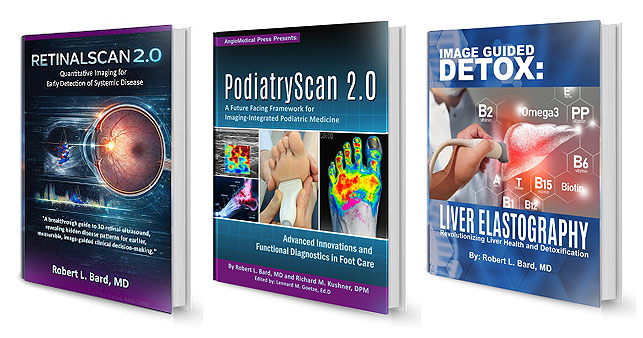 AngioMedical Press exists to elevate the quality of medical and scientific publishing in an era crowded with opinion, marketing claims, and fragmented information. Our mission is to publish clinically grounded, science-based, and medically innovative educational content that serves today’s clinical solutionists—professionals seeking practical insight, validated evidence, and forward-thinking approaches to real-world health challenges. AngioMedical Press exists to elevate the quality of medical and scientific publishing in an era crowded with opinion, marketing claims, and fragmented information. Our mission is to publish clinically grounded, science-based, and medically innovative educational content that serves today’s clinical solutionists—professionals seeking practical insight, validated evidence, and forward-thinking approaches to real-world health challenges.
We curate and produce textbooks, clinical reviews, expert features, and translational reports that bridge research with application. Every publication is developed with an emphasis on evidence-based frameworks, diagnostic clarity, and responsible interpretation of emerging technologies. Our contributors include physicians, researchers, educators, technologists, and multidisciplinary experts whose work reflects both scientific rigor and clinical relevance. AngioMedical Press supports innovation without hype. We prioritize transparent methodology, measurable outcomes, and ethical presentation of findings—especially in areas involving non-invasive diagnostics, integrative care models, preventative strategies, and advanced imaging. By maintaining editorial standards rooted in accuracy and accountability, we help clinicians cut through noise and access material they can trust.
Our publishing platform empowers collaboration across specialties and creates a durable knowledge base—one designed to inform practice, inspire research, and support the next generation of evidence-driven healthcare leaders.
 VIDEO PRODUCTIONS VIDEO PRODUCTIONS
HealthCast Streaming for Public Education
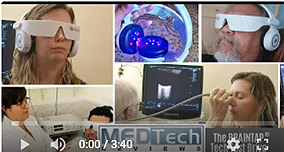
ANGIOMEDIA is the not-for-profit media arm of AngioInstitute, dedicated to producing educational video programming and HealthCast streaming content that brings credible medical insight into the public square. In a world where attention is visual and learning is increasingly on-demand, video has become one of the most effective ways to translate complex health topics into clear, engaging understanding. Our programs feature clinicians, researchers, educators, technologists, and patient advocates in structured conversations that explore today’s most urgent health challenges—from cancer diagnostics and neurovascular health to toxic exposure, aging, prevention, and recovery. ANGIOMEDIA productions prioritize education over promotion, focusing on responsible interpretation of evidence, clinical context, and real-world relevance.
HealthCast streaming creates an accessible platform for multidisciplinary dialogue, allowing experts to share findings, discuss emerging research, and collaborate across specialties—often bringing together perspectives that rarely meet in traditional academic settings. These conversations help surface practical insight while modeling how collaborative thinking advances care. As a public programming resource, ANGIOMEDIA exists to inform, not persuade; to clarify, not sensationalize. By offering high-quality, educational media at no cost to the public, we expand access to trustworthy health knowledge and strengthen health literacy across professional and consumer communities alike.
 OUTREACH & ADVOCACY OUTREACH & ADVOCACY
Getting the Word Out to Save Lives
Outreach and advocacy are central to AngioInstitute’s public mission. We are a proud supporter of cancer organizations, health and research initiatives, and community-based efforts that serve lives across every stage of care. “Getting the word out” is not a slogan—it is a life-saving responsibility. Awareness opens doors to earlier detection, informed decision-making, and timely access to credible resources. Through partnerships, public education campaigns, publishing, and media programming, AngioInstitute helps translate complex medical insight into accessible understanding for patients, families, clinicians, and advocates. We support fundraising and research awareness initiatives that accelerate discovery while elevating responsible dialogue around technologies and modalities that may offer health solutions. Our role is to help the public distinguish evidence from hype, and possibility from proof.
Advocacy also means standing alongside communities affected by disease—amplifying underrepresented voices, supporting prevention and early screening efforts, and encouraging cross-sector collaboration among healthcare professionals, researchers, educators, and innovators. By connecting people to knowledge, resources, and each other, AngioInstitute works to ensure that promising ideas do not remain siloed, and that credible solutions reach the people who need them most.
|